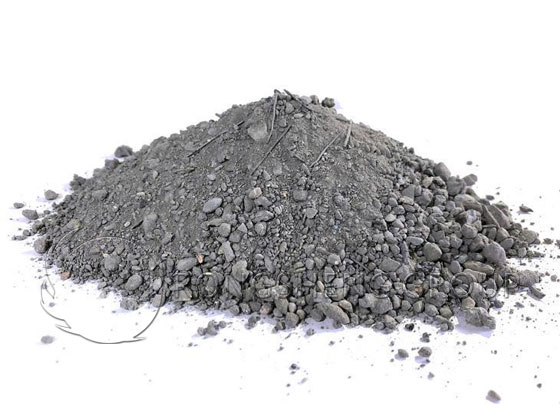
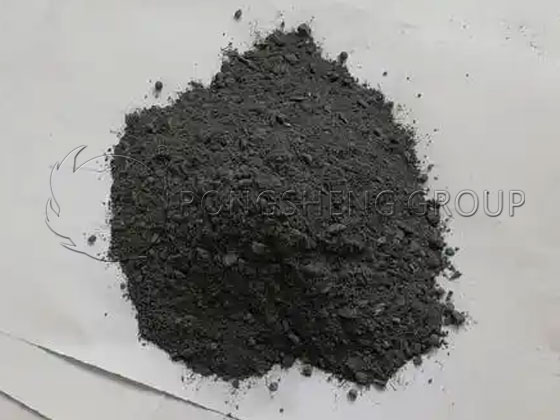
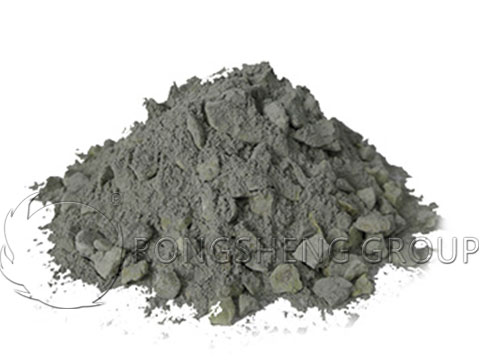
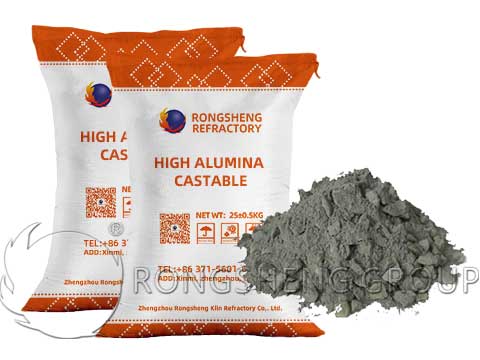
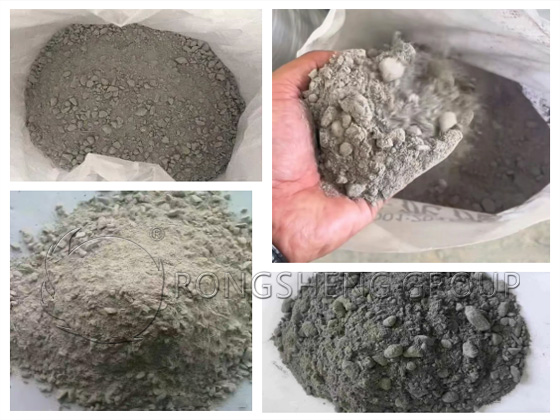
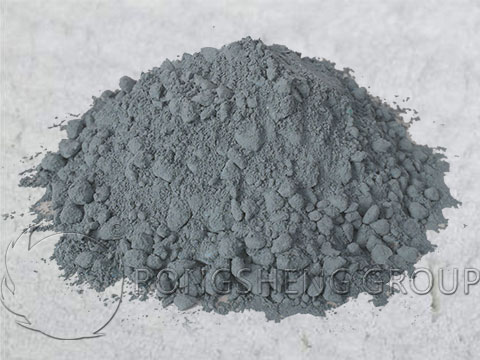
High-strength wear-resistant castables are suitable for use in areas of industrial kilns subject to severe abrasion. Compared to standard refractory castables, they possess higher density and superior wear resistance; furthermore, they are capable of withstanding impact forces at high temperatures and exhibiting strong shear resistance under heavy structural loads.
The defining characteristics of wear-resistant castables are their compressive strength, flexural strength, and abrasion resistance. These properties are directly linked to the specific process formulation and the raw materials utilized. The raw materials used in wear-resistant refractories typically feature a high alumina content and high bulk density; additionally, the aggregate particles within the process mix are generally larger than those found in standard refractory formulations. Incorporating a specific proportion of silicon carbide into the mix further enhances the castable’s flexural strength and wear resistance.
Performance Characteristics of Wear-Resistant Castables
When a suitable proportion of steel fibers is added to wear-resistant castables, their tensile strength is significantly increased, resulting in improved operational performance. During production, the addition of heat-resistant stainless steel fibers to the aggregate and powder mixture helps prevent thermal expansion-induced stresses at high temperatures and enables the material to withstand the thermal gradient stresses generated during furnace start-up and shut-down cycles. Thanks to the inclusion of steel fibers, the cast furnace lining exhibits enhanced structural integrity and tensile bonding strength. If nickel-plated stainless steel fibers are utilized, the material demonstrates even greater high-temperature stability, as well as enhanced resistance to oxidation and thermal fatigue.
High-strength, wear-resistant castables are available in various grades, distinguished by differing bulk densities and performance specifications. The specific grade selected for a given application is determined by the operating temperature and the atmospheric conditions within the furnace. Regardless of the specific quality grade, however, superior wear resistance remains a fundamental characteristic inherent to every variety of this castable material.
Where Are Wear-Resistant Castables Most Effectively Applied?
High-strength, wear-resistant castables are ideally suited for use in the front and rear arch walls of various industrial boilers, as well as in the furnace linings of waste incinerators. Additionally, composite-type wear-resistant castables are frequently employed in areas such as electric furnace roofs, heating furnace hearths, cement rotary kiln mouths, and material-retaining rings.
Properties and Applications of Al2O3-SiC-C Refractory Castables
Alumina-Silicon Carbide-Carbon (Al2O3-SiC-C) castables are a type of castable refractory material composed of corundum or high-alumina clinker, silicon carbide, carbon binders, and various additives. Primarily utilized as the lining for blast furnace tapholes and iron troughs, they are also commonly referred to as “iron trough refractory castables.”
The high-velocity flow of molten iron and slag—reaching flow rates of several tons per minute—subjects the trough lining to severe mechanical erosion and abrasion. Given this extremely harsh operating environment, the castables are required to possess exceptional resistance to both chemical corrosion and mechanical abrasion. Furthermore, the operation of the iron trough is intermittent; temperatures drop sharply at the conclusion of each tapping cycle, subjecting the castable lining to severe thermal shock. Consequently, materials used for iron trough linings must exhibit excellent thermal shock resistance. The castable must maintain sufficient structural integrity at high temperatures to withstand the erosive forces of the molten iron and slag, as well as its own gravitational load.
Due to the inherently low permeability of this type of castable, rapid spalling caused by the sudden evaporation of moisture is a significant risk during the drying and baking process. Therefore, anti-explosive agents—such as metallic aluminum powder, aluminum lactate, azodicarbonamide, or anti-explosive fibers—are typically incorporated into the mixture. However, the dosage of these anti-explosive agents must be strictly controlled; excessive addition can lead to a reduction in bulk density and mechanical strength, as well as a deterioration in corrosion and abrasion resistance.
The specific composition of Al2O3-SiC-C castables varies depending on the specific operating environment and conditions. For instance, castables intended for the iron troughs of large-scale blast furnaces typically require electro-fused corundum as the primary aggregate, whereas medium-to-small blast furnaces may utilize high-alumina clinker as the aggregate material. The proportion of silicon carbide added also varies according to the specific location within the trough: concentrations typically range from 18% to 30% in the taphole and slag-line zones, while areas below the slag line generally contain 12% to 15% silicon carbide.
Alumina-Silicon Carbide-Carbon castables can be applied either by direct on-site casting or by utilizing pre-cast refractory shapes. The service life of these materials varies significantly, depending largely on the quality of the raw materials employed in their manufacture. In large blast furnaces, corundum-silicon carbide-carbon castables are employed to construct the lining of the main trough (450–500 mm thick); the typical iron throughput before maintenance is 100,000 to 150,000 tons of hot metal, which can be extended to over 300,000 tons following patch-casting or gunning repairs.