Changes in the Properties of Alkali-Resistant Castables for Cement Kilns Upon the Addition of Various Admixtures

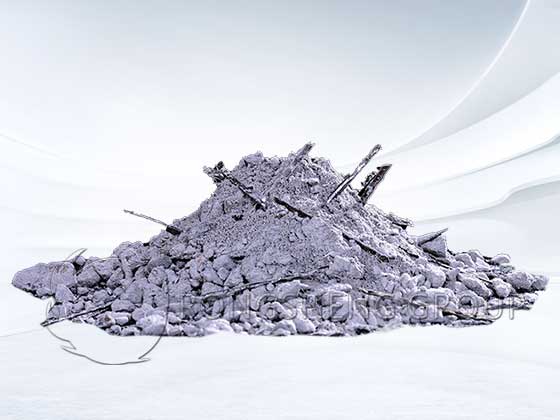
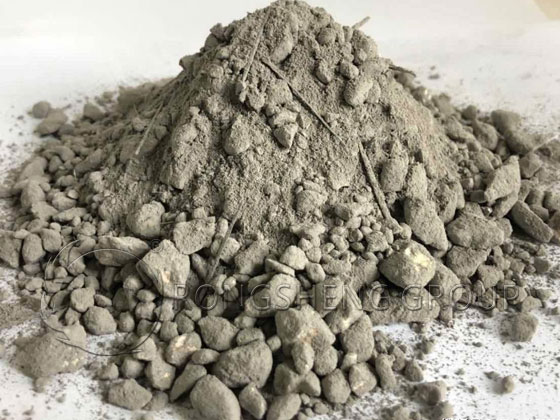
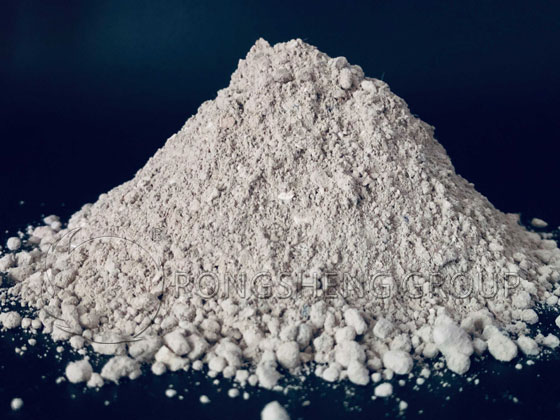
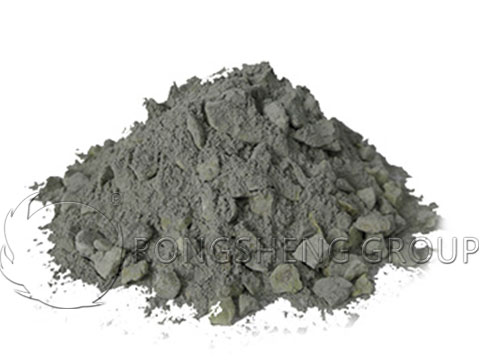
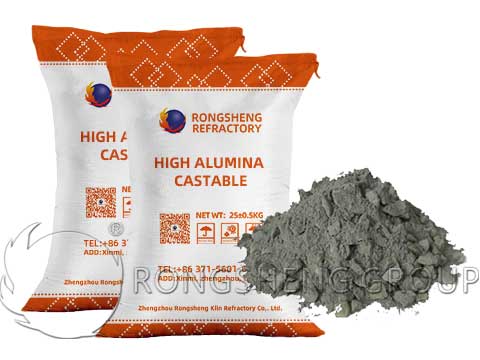
Temperatures in various sections of a cement kiln—including the preheater system, precalciner, riser duct, and tertiary air duct—range between 800°C and 1200°C. In these areas, due to the enrichment of alkalis within the kiln gas, the refractory materials employed are susceptible to alkali corrosion; this process readily leads to the formation of expansive minerals—such as leucite (KAlSiO4) and kalsilite (KAlSi2O6)—within the refractory bricks. Consequently, the material structure becomes porous and prone to cracking, severely compromising kiln operations. For sections where shaped refractory bricks are unsuitable, high-performance alkali-resistant castables are typically utilized as the kiln lining. Alkali-resistant castables are hydraulic refractory materials formulated using alumina-silica aggregates as raw materials, calcium aluminate cement as a binder, and appropriate chemical admixtures to impart alkali resistance.

Rongsheng Alkali-Resistant Castables

Free Quote

    Leave Your Requirements

    Your Name (required)

    Your Email (required)

    Your Phone


    Your Requirements(required)

    When alkali-resistant castables come into contact with alkali vapors under high-temperature conditions, a dense glaze-like layer forms on the surface. This layer effectively inhibits further corrosive penetration, thereby extending the service life of the kiln lining. Cement and silica fume constitute the primary raw materials for refractory castables, and their respective addition levels exert a significant influence on both the ambient-temperature and high-temperature performance of the material. In this study, construction ceramics were employed as the principal raw material to systematically investigate the impact of varying cement and silica fume addition levels on the performance of alkali-resistant castables; furthermore, the microstructure of the test specimens was subjected to detailed analysis.

    The Effect of Calcium Aluminate Cement Content on the Properties of Castables

    This study investigates the impact of calcium aluminate cement content on the room-temperature properties of specimens subjected to heat treatments of 110°C for 24 hours and 1100°C for 3 hours. It is observed that, following the 110°C/24h treatment, the room-temperature strength of the specimens increases as the cement content rises. Conversely, following the 1100°C/3h heat treatment, the room-temperature strength of the specimens exhibits a trend of initially increasing and then decreasing as the cement content increases. Furthermore, after the 1100°C/3h heat treatment, the permanent linear change upon heating—specifically, the shrinkage rate—increases as the cement content increases. In the formulation design, the increase in calcium aluminate cement content was achieved by reducing the proportion of 200-mesh fine powder derived from construction ceramics. With the content of silica fume held constant, variations in specimen strength are primarily attributable to changes in the cement content. An increased cement content generates a greater quantity of hydration products, which serve a binding function while simultaneously filling pores within the specimen, thereby enhancing both the density and strength of the specimen.

    Following the 1100°C/3h heat treatment, the hydration products formed by the calcium aluminate cement at room temperature are decomposed due to the removal of structural water, thereby losing their binding efficacy. When the cement content does not exceed 8%, the increase in the specimen’s room-temperature strength is primarily attributed to the fact that the cement particles are finer than the construction ceramic fine powder and possess higher reactivity; consequently, the majority of the strength is derived from sintering. Under the experimental conditions, when the cement content exceeds 8%, the CaO within the cement reacts with the Al2O3 and SiO2 present in the matrix to form low-melting eutectics. At high temperatures, the formation of a significant liquid phase—coupled with the dehydration shrinkage of the cement colloids, which induces cracking—leads to a reduction in strength. Therefore, the formation of these low-melting eutectics is the primary reason why the permanent linear change upon heating (shrinkage) of the specimens, following the 1100°C/3h heat treatment, increases in proportion to the increase in cement content.

    Furthermore, the surface of the construction ceramic raw materials contains certain glaze components. These glaze components possess relatively low melting points and are therefore more prone to forming a liquid phase during the sintering process. On one hand, the formation of this liquid phase facilitates structural densification, acting as a sealant and enhancing alkali resistance. On the other hand, the liquid phase forms predominantly at the interfaces between the aggregate particles and within the matrix, thereby strengthening the bonding performance between the matrix and the aggregates. While this enhances the structural integration of the castable’s aggregates and matrix, it simultaneously leads to a reduction in the castable’s room-temperature toughness and an increase in its brittleness. This is particularly significant for castables, given their inherently heterogeneous internal structure; consequently, their strength becomes highly sensitive to various factors such as internal defects and cracks—factors that ultimately impact overall strength. Taking all these considerations into account, the optimal addition level for calcium aluminate cement is determined to be approximately 7% to 8%.

    The Effect of Microsilica Content on the Properties of Castables

    Under the condition that the calcium aluminate cement content is fixed at 7.5%, this study investigates the impact of varying microsilica content on the room-temperature properties of specimens following heat treatments at 110°C for 24 hours and 1100°C for 3 hours. It can be observed that as the microsilica content increases, both the flexural and compressive strengths of the specimens—after heat treatment at different temperatures—show an improvement; however, this trend is not particularly pronounced, and the linear shrinkage rate of the specimens increases concurrently. Microsilica is an ultrafine powder material formed through the rapid gas-phase reaction and subsequent condensation of SiO₂ and Si gases—generated during the smelting of ferrosilicon alloys and industrial silicon—with oxygen in the air. Possessing high surface activity, it functions similarly to silica sol as a binder upon hydration, thereby imparting a certain level of strength and enhancing the overall strength of the specimens following heat treatments at various temperatures. Furthermore, microsilica effectively fills the voids between the aggregates and the matrix, thereby reducing the water demand for mixing and increasing the bulk density of the alkali-resistant castable.

    Microsilica serves both as a filler and a sintering promoter; when used in conjunction with appropriate dispersants, it enables the castable to exhibit superior rheological properties with minimal water addition, while simultaneously enhancing the high-temperature strength of the alkali-resistant castable. In the experimental design, the increase in microsilica content was achieved by correspondingly reducing the proportion of 200-mesh fine powder derived from construction ceramics. Since microsilica exhibits significantly higher reactivity at elevated temperatures compared to the fine powder from construction ceramics, an increased microsilica content results in a higher post-firing shrinkage rate for the specimens. Conversely, if the microsilica content is too low, it is insufficient to effectively enhance the strength of the alkali-resistant castable; conversely, if the content is excessively high, it tends to induce cracking, thereby compromising the high-temperature volume stability of the castable. Based on a comprehensive analysis, an optimal microsilica content of 5% to 6% is recommended.

    Microstructural Analysis

    The micrograph presented here reveals the cross-sectional microstructure of a specimen—prepared with a 7.5% addition of calcium aluminate cement and a 5% addition of silica fume—following a heat treatment at 1100°C for 3 hours. As observed, the specimen exhibits a distribution of residual micropores; however, the bonding between the aggregates and the matrix is ​​robust. This specific structural configuration primarily facilitates transgranular fracture—a mode of failure in which cracks propagate directly through the aggregate particles—which is highly conducive to enhancing material strength. The aggregate particles are predominantly lamellar (flaky) in shape; this morphology is attributed to the source of the raw building ceramics used, their original forming method, and the subsequent crushing and processing procedures. Notably, this lamellar morphology is detrimental to improving the flowability of the castable material. Within the matrix, the introduced silica fume reacts with alumina powder to generate columnar or acicular mullite crystals. These crystals exhibit high inter-granular bonding strength and serve to intersperse within or fill the voids within the material’s skeletal framework. The network structure formed during the development of this mullite phase exerts a significant reinforcing and toughening effect on the material. Furthermore, the matrix contains a certain proportion of a glassy phase, which is beneficial for enhancing both the density and the alkali resistance of the castable. This glassy phase originates from two primary sources: the glaze components present in the raw building ceramics, and the *in-situ* formation of eutectic phases within the matrix itself.

    High-Performance Alkali-Resistant Castables for Cement Kilns

    (1) The change in room-temperature strength of specimens—following heat treatments at 110°C for 24 hours and 1100°C for 3 hours—is correlated with the addition amount of calcium aluminate cement. Increasing the cement content leads to an increase in the volume of eutectic phases within the specimens at high temperatures, while simultaneously resulting in a greater permanent linear change. Under the experimental conditions, an optimal addition amount of calcium aluminate cement is approximately 7%–8%.

    (2) The incorporation of silica fume serves to reduce the required water content while enhancing the density and strength of the castable. Under the experimental conditions, an addition amount of 5%–6% silica fume is considered optimal.

    (3) Following the heat treatment at 1100°C for 3 hours, the cross-sections of the specimens exhibit transgranular fracture; furthermore, the matrix reveals evidence of a dual reaction process involving the formation of both mullite and eutectic phases.

    Lightweight Alkali-Resistant Castables
    Lightweight Alkali-Resistant Castables

    Free Quote

      Leave Your Requirements

      Your Name (required)

      Your Email (required)

      Your Phone


      Your Requirements(required)

      Lightweight Alkali-Resistant Castables for Cement Kilns

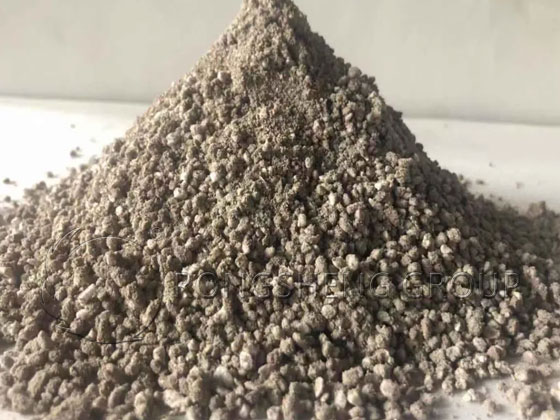
      Lightweight alkali-resistant castables are a type of hydraulic refractory castable formulated using lightweight alumino-silicate materials as the primary raw material, calcium aluminate cement as the binder, and an appropriate amount of additives to impart alkali resistance. These lightweight refractory castables are characterized by their low bulk density, excellent resistance to alkali corrosion, and strong thermal insulation properties. At high temperatures, they react with alkali metal oxides to generate a high-viscosity liquid phase, forming a dense, vitrified protective layer that effectively prevents the further penetration and corrosion of molten alkali substances. Lightweight alkali-resistant refractory castables are primarily utilized as alkali-resistant thermal insulation linings in areas of kilns and furnaces subject to alkali corrosion, such as the preheaters within cement kiln pre-calcination systems, the ductwork of decomposition furnaces, and the preheating and decomposition zones of dry-process rotary kilns.

      Installation of Lightweight Alkali-Resistant Castables

      1. Water: Clean potable water with a pH value between 6 and 8 must be used; the mixing water should be accurately weighed. Water usage: 16%–17% of the total dry material weight for Premium Grade products; 18%–20% for First Grade products.
      2. Mixing: A forced-type mixer must be used. All mixing tools must be clean, and mixing should continue until the material is thoroughly uniform.

      Installation Precautions

      1. All molds intended for casting must be coated with a layer of machine oil.
      2. All embedded metal components must be coated with a layer of asphalt paint prior to casting.
      3. Lightweight castable mixtures must be used within 0.5 hours of mixing. When the casting thickness is 200 mm or less, it is advisable to cast the material to the full specified thickness in a single pour, vibrating it until it is completely compacted.
      4. Curing: Maintain a relative humidity of 100%. The curing temperature should be kept between 10°C and 30°C. Molds may be removed 24 hours after casting; the total curing period is 3 to 7 days.
      5. Lightweight alkali-resistant castables must not be mixed with, or placed in direct contact with, freshly mixed concrete.

      Drying Schedule

      Linings or structures constructed using lightweight alkali-resistant castables must undergo appropriate heat treatment prior to use.

      1. Dry at approximately 150°C to eliminate adsorbed water; the duration depends on the thickness of the material.
      2. Raise the temperature at a rate of 25°C/h up to approximately 500°C; this rate may be adjusted based on the specific section of the structure and practical feasibility.
      3. Maintain a constant temperature of approximately 500°C for 2 days.
      4. From approximately 500°C, raise the temperature at a rate of 30–50°C/h until the operating temperature is reached.
      5. Maintain the operating temperature for a minimum of 2 days, adjusting the duration based on the specific requirements and practical constraints of the various sections of the structure.

        Get Excellent Service

        Please Leave Your Inquiry for Rongsheng Refractory Castable & Cement! We Will Reply You In 12 Hours!

        Your Name (required)

        Your Email (required)

        Your Phone

        Your Requirements(required)

        Lightweight Castable Lining for Petrochemical Tubular Furnaces

        Tubular furnaces in the petrochemical industry utilize lightweight castable linings bonded with high-alumina cement, featuring a bulk density ranging from 500 to 1300 kg/m³. The castables are accompanied by a Certificate of Conformity and a Performance Index Inspection Report issued by the manufacturer—Rongsheng Refractories—and are also supplied with detailed instructions regarding installation methods.

        Lightweight Castable Lining
        Lightweight Castable Lining

        Free Quote

          Leave Your Requirements

          Your Name (required)

          Your Email (required)

          Your Phone


          Your Requirements(required)

          Raw Materials for Lightweight Castables in Tube Furnaces

          1. High-alumina cement.
          2. Expanded shale lightweight aggregates and expanded clay lightweight aggregates.
          3. Vermiculite: calcined at a high temperature of 900–950°C; its secondary expansion rate shall not exceed 0.5%, and it must be free of impurities.
          4. Glazed perlite: subjected to high-temperature treatment at no less than 1250°C, followed by hydraulic classification and crushing; its refractoriness shall be no less than 1280°C, and its water absorption rate shall not exceed 17%.
          5. Expanded perlite: subjected to rapid high-temperature treatment at no less than 1250°C; its refractoriness shall be no less than 1280°C.
          6. High-temperature calcined bauxite grog.
          7. High-alumina brick grog: produced by crushing and screening IZ-5 grade high-alumina bricks. Lightweight brick grog. Utilization of a lightweight, heat-resistant lining composed of high-alumina cement, lightweight aggregates, and vermiculite (in a ratio of 1:2:4); specific mix proportions and performance characteristics are detailed herein.

          Packaging, Transport, and Storage of Lightweight Castables for Tube Furnaces

          1. Water used for lining construction shall have a pH value between 6.5 and 7.5.
          2. During transport, materials must be protected against moisture, properly packaged, and clearly marked.
          3. During storage, materials shall be stacked in an orderly manner according to their category, specifications, and batch number; exposure to moisture or rain is strictly prohibited. High-alumina cement must not be stacked together with other types of cement.
          4. If materials become contaminated or deteriorate due to moisture ingress resulting from damaged packaging or spillage, the affected packages must not be used.
          5. Expired materials may be used only after passing a re-inspection; however, their reuse is generally not recommended.

          Preparations for the Installation of Lightweight Castable Refractory in Tubular Furnaces

          1. Personnel responsible for the installation of the castable lining must undergo training and pass a qualification assessment before participating in the construction work.
          2. During castable installation, the ambient temperature must be above 5°C; otherwise, cold-weather protection measures must be implemented.
          3. All containers and tools used for castable installation must be thoroughly cleaned to prevent contamination by residual lime, cement, clay, or other debris.
          4. Prior to castable installation, all embedded components—such as openings in the furnace wall, refractory anchors, and sleeves—must be fully installed and verified as compliant through inspection. Any temporary fixtures that obstruct the lining installation process, or that cannot be removed after the lining is in place, must be completely removed before construction begins.
          5. Refractory anchors must be positioned and welded in strict accordance with the design specifications; the weld beads must be full and free of undercut defects. Each anchor must be individually struck with a 0.5 kg hand hammer; a clear, ringing metallic sound should be produced upon impact. For cylindrical and Y-shaped anchors, a random sample check must be performed at a rate of one anchor per 4 square meters: the top of the welded anchor is struck with a hammer and bent to a 90-degree angle; it must not fracture during this process. If it does fracture, a replacement anchor must be welded immediately adjacent to the failed one. In the event of a fracture, the underlying cause must be investigated, and appropriate remedial measures must be formulated.
          6. Before castable installation, the furnace wall must undergo thorough rust removal—either manually or using power tools—to completely eliminate oil stains, rust, and other surface contaminants from the interior surface. The metal surface, once derusted, must be protected from exposure to rain and moisture, and the refractory lining installation should commence as soon as possible thereafter.
          7. The exterior surfaces of all pipe supports, sleeves, and other metal components (excluding refractory anchors) that are to be embedded within the castable lining must—following rust removal—be coated with a 0.5 to 1 mm thick layer of asphalt, or wrapped with a 0.5 to 1 mm thick layer of ceramic fiber paper or kraft paper.
          8. If metal mesh reinforcement is required over the refractory anchors prior to castable installation, the mesh must be properly positioned and securely fastened to a flat plane to ensure its correct placement within the finished lining.
          9. Prior to castable installation, appropriate protective measures must be implemented for any embedded pipes or tubes.
          10. The surfaces of any hygroscopic masonry components that will come into contact with the castable refractory must be treated with waterproofing measures. 11 Prior to construction, the properties of the castable shall be tested; construction may proceed only after the tests have been successfully completed.
          Lightweight Insulating Castable
          Lightweight Insulating Castable

          Free Quote

            Leave Your Requirements

            Your Name (required)

            Your Email (required)

            Your Phone


            Your Requirements(required)

            Construction and Quality Inspection of Lightweight Castables for Tubular Furnaces

            Mechanical Spraying Method

            1. Prior to formal spraying operations, trials regarding the spraying process and tests on the performance of the finished product must be conducted. Finished product performance parameters shall include bulk density, compressive strength, flexural strength, and linear change after firing; formal construction may commence only after verification confirms compliance with the requirements specified in the design documents. During construction, operations must strictly adhere to the spraying process established during these trials.
            2. During spraying, the moisture content of the lining must be strictly controlled in accordance with the requirements outlined in the construction method instructions for the specific material grade being used. The lining’s moisture content shall be determined as specified in Appendix AQ2.
            3. When employing the mechanical spraying method, the lining shall be sprayed in sections, proceeding from bottom to top, and the process must be continuous until the required thickness is achieved within the designated area. If spraying is interrupted, the lining material must be immediately cut back to the surface of the wall panel; the cut face shall be perpendicular to the wall panel surface.
            4. Rebound material generated during the construction process shall not be reused for the lining.
            5. The volume of rebound material generated during the spraying process shall not exceed the limits specified in the construction method instructions for the specific material grade being used.

            Manual Ramming Method

            1. During mixing, while ensuring adequate workability, the water content should be minimized as much as possible, and the water-to-material ratio must be strictly controlled. The appropriate water-to-material ratio shall be provided by the manufacturer. Note: Water-to-material ratio = Water / (Cement + Aggregate).
            2. During construction, the number of joints should be minimized as much as possible. If the area is large, or if other circumstances necessitate sectional construction, the joints shall be formed in a stepped configuration, as illustrated in Figure 4.2.2. For linings with a thickness not exceeding 75 mm, straight joints may be utilized. Prior to resuming construction on an adjacent section, the joint surface must be scored to create grooves, loose particles must be removed, and the surface must be moistened with water before ramming operations may continue.
            Lining seams
            Lining seams

            Quality Inspection

            1. Linings that have been applied via spraying or casting must be shaped to match the external dimensions specified in the design documents before initial setting occurs. During leveling and compaction, the application of water, cement slurry, or dry powder to the surface is strictly prohibited.
            2. During the construction process, test specimens (test blocks) shall be sampled in accordance with the specified construction process parameters. For each specific grade or mix ratio within a single project, test specimens shall be retained for inspection in batches of 20 m³; quantities less than 20 m³ shall also constitute a single inspection batch. The inspection items shall include bulk density, compressive strength, flexural strength, and linear change after firing; these results shall be recorded in the project handover and acceptance documentation.
            3. Upon completion of construction, the lining surface shall be flat and of uniform thickness; the allowable tolerance for thickness is +5 mm.
            4. After the lining has been constructed and cured, the entire surface of the lining shall be tapped using a 0.5 kg hammer at grid points spaced according to the following specifications: Furnace Roof: 610 × 610 mm; Side Walls and Furnace Bottom: 920 × 920 mm. The tapping sound should be solid; hollow sounds (indicating voids) are not permitted.
            5. After the furnace has undergone the drying-out process, the width of any cracks on the lining surface shall not exceed 5 mm, and the depth shall not exceed half of the lining thickness (1/2); furthermore, no through-cracks or interconnected network cracks are permitted.
            6. Expansion joints shall be provided in accordance with the requirements specified in the design documents. In the absence of specific design requirements, for any lining with a thickness exceeding 75 mm, a grid-patterned (cross-hatch) expansion joint—2 to 3 mm in width and 20 to 30 mm in depth—shall be provided at longitudinal and transverse intervals of 800 to 1200 mm.

            Lining Patching and Repair at Joints

            1. The patching of lining at joints shall comply with the following provisions:
              • (1) At the lining interfaces of components that were assembled and welded in sections, a margin of no less than 100 mm in width shall be left unlined on each side of the joint.
              • (2) Lining patching at the joint interface may only proceed after the welding of the joint seam and the anchoring studs has been inspected and approved.
            1. Any defects identified during the lining construction process that fail to meet the requirements of the design documents—and which would adversely affect the intended use of the lining—shall be repaired in accordance with the applicable regulations.
            2. The lining at the repair site must be chipped away down to a sound surface or the steel shell, exposing at least two anchor studs. The chipped-out section of the lining should be shaped such that it is narrower at the outer surface and wider at the inner surface.
            3. The area to be repaired must be thoroughly cleaned and moistened with water.
            4. The raw materials, mix proportions, installation methods, and curing procedures used for patching the lining at the joint—as well as for the general repair—must be identical to those employed during the original installation of the castable lining.
            5. For cracks that do not meet the specified criteria for standard repair, refractory fibers impregnated with a high-temperature bonding agent should be used as packing material, selected according to the operating temperature of the application.

            Curing of Lightweight Castable Refractories in Tubular Furnaces After Installation

            1. Appropriate curing must be performed after the installation of each layer of the castable lining. Curing procedures should strictly follow the requirements specified by the castable manufacturer. In the absence of specific requirements, water-spray curing should commence once the lining has reached its initial set—specifically, when the surface no longer adheres to the hand upon light manual pressure. The curing period must extend for a minimum of 24 hours, with water spraying performed approximately every 30 minutes; the frequency of spraying may be adjusted as appropriate based on prevailing climatic conditions.
            2. Steam curing is strictly prohibited. During the water-spray curing period, the lining should not be covered with materials such as straw bags or similar items.
            3. Upon completion of the lining curing process, an additional 48-hour period of natural air drying is required before the furnace unit may be moved or hoisted.

            Baking-out of Lightweight Castable Refractories in Tubular Furnaces After Installation

            1. Once the curing of the castable lining is complete, the ambient temperature must be maintained above 5°C. Furthermore, a minimum period of 5 days of natural air drying is required before the baking-out process may commence.
            2. The following preparatory measures must be completed prior to baking out:
              • (1) All construction work on the tubular furnace unit must be fully completed and have successfully passed final inspection.
              • (2) All necessary utility lines (e.g., fuel, air), fire safety equipment, and related facilities required for the baking-out process must be inspected and verified as being in good working order.
              • (3) All thermal instrumentation and control devices required for monitoring the baking-out process must be fully calibrated.
            1. During the baking-out process, steam should first be introduced into the furnace tubes to pre-warm the furnace for a period of 1 to 2 days, after which the burners may be ignited. Gaseous fuel is the preferred choice for the baking-out process. Throughout the baking-out cycle, the temperature rise must be uniform; the rate of temperature increase should strictly adhere to the manufacturer’s specifications or follow the prescribed baking-out curve.
            2. During the baking-out process, the steam temperature at the outlet of the furnace tubes must not exceed the following limits: 350°C for carbon steel tubes, and 450°C for chromium-molybdenum steel tubes.
            3. Comprehensive records must be maintained throughout the baking-out process, and a graph depicting the actual temperature profile (baking-out curve) must be plotted.
            4. Upon completion of the baking-out process, a thorough inspection of the refractory lining must be conducted, and detailed inspection records must be compiled. Should any damage be detected, the underlying cause must be analyzed immediately, and appropriate repairs must be executed promptly.

              Get Excellent Service

              Please Leave Your Inquiry for Rongsheng Refractory Castable & Cement! We Will Reply You In 12 Hours!

              Your Name (required)

              Your Email (required)

              Your Phone

              Your Requirements(required)

              Zircon Sand Ramming Mix for Glass Melting Furnaces

              In the glass industry, the selection of refractory materials for glass melting furnaces is a critical factor in determining the service life of the furnace, and it is a subject that receives widespread attention. Ramming mixes—which are extensively utilized for the furnace hearth—represent one such material. As a hearth lining, ramming mixes offer distinct advantages: strong resistance to slag corrosion, excellent structural integrity, and minimal shrinkage. By eliminating the presence of brick joints, they effectively prevent the leakage of molten glass; furthermore, ramming mixes are easy to install, cost-effective, and highly adaptable.

              Zircon Sand Ramming Mix

              Ramming mix fundamentally consists of three components: base material, sintering aid, and binder. The base material constitutes the primary component of the ramming mix; it forms the refractory crystalline matrix and determines the material’s key properties. Typically accounting for approximately 90% of the mix, it is often selected from high-quality refractory materials such as zircon sand, or sintered or electrofused zircon-corundum grog. The primary function of the sintering aid is to facilitate high-temperature sintering of the material and enhance the ramming mix’s high-temperature strength; plastic clay is frequently employed for this purpose. The binder serves primarily to render the mixture easily formable and to impart a certain degree of mechanical strength; currently, aluminum dihydrogen phosphate is widely utilized as the binder. Zircon sand ramming mix is ​​a protective lining material widely used for the furnace bottoms of glass melting kilns.

              Zircon Sand Ramming Mixes
              Zircon Sand Ramming Mixes

              Free Quote

                Leave Your Requirements

                Your Name (required)

                Your Email (required)

                Your Phone


                Your Requirements(required)

                Corrosion Mechanisms and Mineral Phase Analysis of Zircon Sand Ramming Mixes

                The causes of corrosion in ramming mixes stem from two primary factors:

                • (1) The resistance of the ramming mix material to glass melt corrosion: This requires that the primary crystalline phase of the ramming mix possess excellent resistance to attack by molten glass.
                • (2) The surface density of the ramming mix: Surface pores and microcracks constitute a significant factor leading to material degradation. Due to the capillary action of these pores and microcracks, the glass melt infiltrates the interior of the ramming mix, thereby accelerating the corrosion process. Consequently, the entire ramming mix structure is required to exhibit high volume stability and excellent density.

                Based on the aforementioned corrosion mechanisms, the following analysis examines the crystalline phase composition of zircon sand ramming mixes and the conditions under which they are produced, with the aim of establishing the performance requirements for such mixes regarding their resistance to glass melt corrosion.

                The primary constituent of zircon sand is zircon (ZrSiO4). The theoretical composition of zircon is ≥67.2% ZrO2 and ≥32.8% SiO2; it crystallizes in the tetragonal system and has a true density of 4.6–4.8 g/cm³. Analytical data indicate that zircon exhibits good chemical stability against acids; however, at certain temperatures, it undergoes decomposition upon contact with molten alkali metal oxides, hydroxides, carbonates, and similar substances. In the presence of Na2O, the decomposition of zircon commences as early as 900°C and proceeds rapidly at 1200°C. This decomposition yields baddeleyite (ZrO2) and cristobalite; the resulting baddeleyite manifests as fine agglomerates rather than forming a dense, consolidated structure. The liberated SiO2 reacts with the Na2O and the Al2O3 present in the ramming mix to form a liquid phase, thereby rendering the ramming mix susceptible to corrosion by the glass melt. Therefore, to fundamentally enhance the resistance of the ramming mix to glass melt corrosion, efforts must be made to minimize the proportion of the zircon phase within the material as much as possible. Based on the typical composition of zircon sand ramming mixes (approximately 90% zircon sand, 5% clay, and 5% binder), their chemical composition falls within the baddeleyite phase region of the Al2O3–ZrO2–SiO2 phase diagram. Dense baddeleyite exhibits excellent resistance to corrosion by molten glass; the formulation of zircon ramming mixes is specifically designed to generate this baddeleyite phase, thereby ensuring the material’s corrosion resistance.

                For zircon sand-based ramming mixes to develop baddeleyite as their primary crystalline phase during service, specific firing conditions are required. If standard zircon sand is utilized, the sintering temperature must exceed 1550°C; higher temperatures accelerate the formation of the baddeleyite crystalline phase. Typically, sintering at high temperatures—specifically above 1600°C—is mandated. If the firing temperature is too low, the conditions necessary for baddeleyite formation are not met; consequently, the baddeleyite phase will either fail to appear or will form in such negligible quantities that it cannot establish itself as the primary crystalline phase. Furthermore, due to the presence of clay within the ramming mix, sintering during firing may instead result in the formation of a mullite phase; in such cases, the original zircon phase—having not participated in the sintering reaction—remains the dominant crystalline phase. Should such a ramming mix come into contact with molten glass, it will inevitably suffer from the severe corrosion described previously. In practical application, the sintering reactions within the ramming mix are completed during the kiln’s initial heat-up (or “firing-in”) process; therefore, the peak temperature attained during this heat-up phase—as well as the duration for which this temperature is sustained—are critical factors determining whether the baddeleyite primary crystalline phase successfully forms within the ramming mix, directly impacting the material’s ultimate performance in service.

                Application of Zircon Sand Ramming Mixes in Glass Furnaces

                • 1. Currently, when ramming mixes are utilized, they typically do not come into direct contact with the molten glass; instead, a layer of high-quality refractory bricks—known as paving bricks—is laid over the ramming mix to serve as a protective surface layer with superior corrosion resistance. This method of application effectively reflects a lack of confidence in the corrosion resistance of the ramming mix itself, and it appears to negate the true intended purpose of using a ramming mix. In reality, under this specific application method, the ramming mix serves merely as a sealing and protective barrier. Consequently, some end-users do not place significant emphasis on the careful selection of the ramming mix.
                • 2. Observations regarding the performance of ramming mixes covered by paving bricks indicate that, due to the insulating effect of the overlying brick layer, the maximum temperature reached by the ramming mix during the furnace heat-up (firing) process rarely exceeds 1400°C. Based on the preceding analysis, it is evident that zircon sand ramming mixes sintered at this temperature will not develop the desired baddeleyite (monoclinic zirconia) as their primary crystalline phase; consequently, their performance falls far short of the anticipated requirements.
                • 3. It is essential to select a high-quality zircon sand ramming mix and formulate its composition specifically to meet the requirements for generating the baddeleyite phase. If the solid-phase reaction temperature requirements of the ramming mix are duly considered during the furnace heat-up process, the paving bricks at the furnace bottom can be eliminated from the furnace design, thereby allowing the ramming mix—now containing the generated baddeleyite primary phase—to come into direct contact with the molten glass. Such a material indeed possesses excellent resistance to corrosion by molten glass; this method constitutes the true, authentic application of a ramming mix. Furthermore, by eliminating the need for paving bricks, furnace construction costs can be significantly reduced.
                • 4. Achieving furnace heat-up temperatures exceeding 1600°C is often an unrealistic objective for many glass furnaces; therefore, it becomes necessary to improve the zircon sand ramming mix itself. This can be achieved by incorporating appropriate mineralizers to lower the reaction temperature required for the formation of the baddeleyite primary phase. However, implementing this improvement requires extensive research and development to identify a specific formulation—including the type and quantity of mineralizers—that effectively lowers the desired reaction temperature while simultaneously minimizing the generation of undesirable glassy phases.

                Performance Advantages of Zircon Sand Ramming Mixes

                • (1) In terms of material composition, zircon sand ramming mixes inherently possess excellent resistance to corrosion by molten glass.
                • (2) To ensure that zircon sand ramming mixes deliver optimal performance results, the specific conditions under which they are utilized—namely, the application environment and operational parameters—are often of even greater significance. Typically, the kiln temperature must reach 1600°C for the sintering reaction of the main baddeleyite crystal phase to occur. However, this temperature threshold can be further adjusted and optimized by modifying the material composition.

                  Get Excellent Service

                  Please Leave Your Inquiry for Rongsheng Refractory Castable & Cement! We Will Reply You In 12 Hours!

                  Your Name (required)

                  Your Email (required)

                  Your Phone

                  Your Requirements(required)

                  What Factors Determine the Performance of Lightweight Castables?

                  Lightweight castable, also known as insulating castable refractory, is a lining material used in the insulation layer of industrial kilns. However, the performance of lightweight castable is determined by raw materials, process proportions, production process control, construction site specifications, and proper drying and baking.

                  Factors Determining the Performance of Lightweight Castables

                  First, the fundamental factor determining the performance of lightweight castables is the careful selection of lightweight aggregates and powders, and the rationality of particle size distribution. Water usage should be minimized to maximize the density and strength of the insulating castable refractory.

                  Secondly, the binder is crucial in determining the initial strength and high-temperature performance of lightweight castables. Generally, lightweight insulating castable refractory with high cement or water glass content requires the use of micro-powders to enhance strength and improve performance.

                  Chemically bonded lightweight castables typically employ composite bonding to optimize performance across different temperature ranges. However, the binder ratio must be carefully controlled; too much binder reduces strength and refractoriness, while too little results in insufficient strength at room temperature. Accelerators and retarders should be avoided unless used to adjust the setting rate during construction; their addition should be minimized based on actual conditions. Appropriate amounts of explosion-proof fibers can be added to create venting channels during baking, preventing material cracking under steam pressure.

                  By controlling the production, process proportions, and construction stages, the performance of lightweight insulating castable refractory is essentially controlled. The selection of the type of lightweight castable depends on the properties, temperature, and size of the industrial furnace lining. For example, lightweight castables suitable for acidic media are used for acidic furnace linings, while neutral materials are chosen for neutral lightweight insulation. The bulk density also depends on the temperature of the furnace lining, determining whether a lightweight castable with a bulk density of 1.0, 0.8, or 0.6 is used.

                  Insulating Castables Can Be Applied To Kilns To Save Energy
                  Lightweight Insulating Castable Refractory

                  Free Quote

                    Leave Your Requirements

                    Your Name (required)

                    Your Email (required)

                    Your Phone


                    Your Requirements(required)

                    Design and Performance Testing of a Lightweight Insulating Refractory Castable

                    By selecting lightweight mullite aggregate with a porous structure, alumina hollow spheres, and zirconium-containing high-alumina refractory fibers with low thermal conductivity, the thermal insulation performance of the furnace roll is improved, reducing heat loss carried away by cooling water. Simultaneously, the bulk density is reduced, decreasing the weight of the furnace roll and the power consumption for rotation. The addition of 0.1~1 mm slag bauxite compensates for the performance degradation of lightweight aggregates smaller than 1 mm. Furthermore, the excellent thermal shock stability and high-temperature performance of slag bauxite improve the overall performance of the insulating castable refractory. Cement, silica, and -Al₂O₃ micro powder are used as composite binders. Both hydration and coagulation bonding mechanisms are introduced to improve the low, medium, and high-temperature strength of the material.

                    The addition of a small amount of spodumene powder promotes sintering, improving the sintering condition of the castable under operating conditions and promoting the formation of a high-temperature ceramic bonding phase in the furnace roll castable insulation lining, thus enhancing the insulation lining’s resistance to breakage.

                    By adding zirconium-containing high-alumina refractory fibers, the reinforcing and toughening effects produced by their pull-out action within the matrix are utilized to improve the mechanical vibration resistance and impact toughness of the furnace roll castable.

                    By adding kyanite powder as an expanding agent, the volume expansion caused by the irreversible decomposition of kyanite into mullite and free SiO₂ at high temperatures offsets the volume shrinkage of the insulating castable refractory at high temperatures. This prevents cracking and detachment of the castable layer caused by thermal expansion mismatch between the castable and the metal roll body. The use of admixtures such as water-reducing agents, organic defoamers, and silane coupling agents improves the workability of the castable and reduces the amount of water required, thus improving the construction quality and overall performance of the furnace roll castable insulation lining.

                    Through laboratory formulation design and optimization, the optimal formulation was finally determined.

                    Lightweight Castable Refractory for Furnaces
                    Lightweight Castable Refractory for Furnaces

                    Free Quote

                      Leave Your Requirements

                      Your Name (required)

                      Your Email (required)

                      Your Phone


                      Your Requirements(required)

                      Performance Testing of Lightweight Insulating Refractory Castable

                      Materials were weighed according to the optimized formula, mixed evenly, and then water was added for stirring. The mixture was then cast into 40mm × 40mm × 160mm samples, cured naturally at room temperature for 24 hours, demolded, and dried at 110℃ for 24 hours. Some samples were further heat-treated at 1100℃ and 1300℃ for 3 hours each. The bulk density, flexural and compressive strength, thermal conductivity, and other physical properties of the samples after different temperature treatments were then tested according to relevant standards.

                      Compared to conventional furnace roll heavy castable (bulk density 2.2 g·cm⁻³, thermal conductivity 0.738 W·(m·K)⁻¹), the bulk density is reduced by 25.8%, resulting in a lighter bulk density. The thermal conductivity is reduced by approximately 57%, leading to superior insulation performance. Furthermore, the developed lightweight insulating castable exhibits high low, medium, and high temperature strength. With increasing temperature, the mechanical properties of the castable remain relatively stable without significant fluctuations. It is evident that the rational design of various additives in the formulation significantly improves the flexural strength, compressive strength, and resistance to mechanical vibration of the lightweight castable. The room temperature compressive strength of the castable reaches 24.5 MPa, far exceeding the mechanical properties of ordinary lightweight insulating castable refractory. It not only meets the requirements for demolding and handling but also fully satisfies the requirements for direct use in the furnace after baking at 300℃ using the furnace rollers. The low linear shrinkage rate after various temperature treatments indicates good volume stability.

                        Get Excellent Service

                        Please Leave Your Inquiry for Rongsheng Refractory Castable & Cement! We Will Reply You In 12 Hours!

                        Your Name (required)

                        Your Email (required)

                        Your Phone

                        Your Requirements(required)

                        What Causes Cracks to Appear in High-Alumina Refractory Castables After Furnace Drying?

                        High-alumina castables refer to refractory castables with an Al₂O₃ content greater than 48%. They are characterized by high cold and hot strength, good wear resistance, thermal shock resistance, spalling resistance, and good volume stability at high temperatures. They have a wide range of applications, including cement kiln heads and tails, cyclone preheaters, tertiary air ducts, grate coolers, refining furnace covers, blast furnaces, and heating furnaces.

                        High-Quality High Alumina Castable of Rongsheng
                        High-Quality High Alumina Castable of Rongsheng

                        Free Quote

                          Leave Your Requirements

                          Your Name (required)

                          Your Email (required)

                          Your Phone


                          Your Requirements(required)

                          Performance and Application Advantages of High-Alumina Castables

                          Traditional lightweight high-alumina castables, due to their large pore size, have high thermal conductivity and can only be used in low-temperature applications (≤1200℃). According to conventional refractory principles, if a material can form a closed, circular microporous structure, its thermal conductivity can be significantly reduced. To improve the performance of lightweight high-alumina castables, high-performance lightweight high-alumina castables with lower thermal conductivity, higher strength, and greater volume stability have been developed by adding pore-forming agents.

                          Scientific formulation further enhances the high-temperature strength and thermal stability of this series of castable refractory materials, effectively controlling the calcium oxide content and reducing the low-eutectic phase, thereby improving refractoriness, high-temperature strength, and slag resistance. This series of castables is mainly composed of high-alumina refractory raw materials, employing new micronized powder technology and highly efficient composite chemical additives. It features high load softening temperature, long service life, and convenient construction, and has a significant effect on improving insulation, reducing heat loss, and lowering ambient operating temperature.

                          Suitable for heating furnaces, soaking furnaces, heat treatment furnaces, rotary kilns; linings for various high-temperature burners, water pipe wrapping linings for heating furnaces, components for ladle refining equipment in molten steel, and high-temperature wear-resistant linings for petrochemical catalytic cracking reactors; linings for blast furnace tapping troughs, blast furnace tapping channels, and integral powder spraying guns for molten iron pretreatment. It can also be used to fabricate large precast blocks and furnace linings for rapid construction.

                          Rongsheng High Alumina Castables Refractory
                          Rongsheng High Alumina Castables Refractory for Furnace Lining

                          Free Quote

                            Leave Your Requirements

                            Your Name (required)

                            Your Email (required)

                            Your Phone


                            Your Requirements(required)

                            What are the causes of cracks in the refractory castable after furnace drying?

                            Furnace drying is a crucial step after the construction of high-alumina castables but before operation, directly determining the future service life of the kiln. During furnace drying, proper preparation is essential, the drying time must be carefully controlled, and the kiln’s temperature rise curve must be operated under strict conditions. Improper furnace drying operations may lead to engineering quality accidents such as castable cracking.

                            Under normal circumstances, after the furnace drying process, the kiln can operate normally after passing the engineering acceptance test, and the castable will achieve its performance within the operating temperature range. There are three main reasons for cracks in the castable after furnace drying:

                            1. The amount of water added during wet mixing of the high-alumina castable was not properly controlled. Adding too much water results in insufficient bonding strength, leading to castable detachment. Adding too little water will also significantly weaken the performance of the castable. Therefore, the amount of water added must be strictly controlled according to the instructions.
                            2. Insufficient curing time during the curing of the high-alumina castable results in insufficient strength of the formed castable. Generally, the curing time for castable is 24 hours at higher temperatures. In colder winters, the curing time is 48 hours. If the temperature is low, a small amount of accelerator may be added to speed up the setting process.
                            3. The temperature rises too quickly during furnace drying. The boiler temperature rise curve must be carefully controlled during furnace drying. During furnace drying, construction workers typically develop a drying curve based on the boiler’s specific conditions. Strict temperature control is crucial during drying to prevent rapid heating and cooling. After drying, if minor or inconspicuous cracks appear in the castable refractory, they should be promptly inspected and repaired with the same type of refractory. However, if larger cracks appear or if refractory detachment occurs, construction workers must develop a solution and repair the damage with new castable refractory.

                              Get Excellent Service

                              Please Leave Your Inquiry for Rongsheng Refractory Castable & Cement! We Will Reply You In 12 Hours!

                              Your Name (required)

                              Your Email (required)

                              Your Phone

                              Your Requirements(required)

                              Rongsheng Precast Refractory Materials for Cement Kilns

                              In cement production, the refractory materials used in parts such as the grate cooler’s low wall, throat, tertiary air duct bends, and gate valves suffer severe wear and short service life due to the scouring effect of high-speed airflow containing cement clinker particles and the erosion of alkali. Users frequently experience premature wear, seriously affecting the normal operation of the cement kiln. Rongsheng Refractory Precast Refractory for Cement Kilns addresses this issue by using precast refractory components. Pre-fabricated refractory materials are pre-formed at the refractory material manufacturer, shortening the time required for refractory construction, curing, and baking. After on-site installation, they can be put into immediate use.

                              Rongsheng Precast Refractory for Cement Kilns
                              Rongsheng Precast Refractory for Cement Kilns

                              Free Quote

                                Leave Your Requirements

                                Your Name (required)

                                Your Email (required)

                                Your Phone


                                Your Requirements(required)

                                Precast Refractory for Cement Kilns

                                Standardized manufacturing of monolithic refractory materials for special parts of cement kilns has been developed, offering the following advantages:

                                1. No on-site casting or formwork required, reducing labor intensity and material costs.
                                2. No need for heat-resistant anchors, eliminating material and installation costs.
                                3. Precast refractory components have completed casting, curing, drying, and baking processes upon delivery, saving significant construction time.
                                4. Unaffected by environmental or climatic conditions, solving the problem of on-site construction under natural conditions during extreme heat and winter.
                                5. Can be manufactured into various sizes and shapes for specific applications, such as refractory materials for grate cooler walls, tertiary air duct elbows, lifting gate valves, kiln tail flue, pulverized coal injection pipes, and kiln inlets.
                                6. Easy to replace during maintenance, minimizing waste and saving labor and time.

                                Precast Refractory for Tertiary Air Duct Valve Plates

                                Tertiary air valves primarily withstand the erosion and wear of high-speed airflow carrying dust, as well as the corrosion of alkali. Precast tertiary air valve components offer good integrity, facilitating installation, maintenance, and replacement. Prefabrication and on-site installation ensure high-quality construction. It is recommended to use corundum-mullite high-strength wear-resistant precast refractory components.

                                1. Materials Used: Corundum, Mullite, Silicon Carbide.
                                2. Service Life: 1.5-3 years.
                                3. Product Features: The main feature of this precast component is the tight bonding between the valve body mold and heat-resistant steel reinforcement and refractory castable, forming a unified whole. Pre-baking ensures good overall integrity. The lining incorporates corundum, fused mullite, premium bauxite aggregate, and special wear-resistant materials, along with a certain proportion of special additives, and is formed by tamping and vibration. Therefore, the product boasts high strength, wear resistance, corrosion resistance, good mechanical impact resistance, and excellent thermal shock resistance. It has excellent resistance to spalling and cracking, a long service life, and is easy and safe to construct, greatly shortening the construction period.

                                Precast Refractory for Tri-duct Elbow Components

                                This section primarily withstands the erosion and wear of high-speed airflow carrying dust, as well as the corrosion of alkalis. Precast refractory components ensure construction quality, are pre-baked, and are high-strength, wear-resistant, erosion-resistant, and corrosion-resistant. They offer good integrity, facilitating construction, maintenance, and replacement. High-strength, wear-resistant mullite precast components are recommended.

                                1. Materials Used: Corundum, mullite, silicon carbide.
                                2. Service Life: 1.5-2 years.
                                3. Product Characteristics: High strength, high temperature resistance, wear resistance, corrosion resistance, stable performance, excellent anti-stripping and erosion resistance, and long service life. Furthermore, the original heat-resistant steel anchors and castable refractory are eliminated, replaced by direct precast component construction, making construction and maintenance convenient, safe, and reliable, significantly shortening the construction period. The elimination of heat-resistant steel anchors also reduces material costs to varying degrees, improving overall economic efficiency.

                                Precast Refractory Components for the Low Wall of the Grate Cooler

                                The refractory material in this area is primarily subject to wear and tear from cement clinker, requiring frequent replacement. After the castable refractory is poured, it is difficult to bake and prone to cracking. Precast refractory components offer convenient installation and easy replacement. They require no curing or baking, saving time. It is recommended to use corundum-mullite high-strength steel fiber wear-resistant precast components.

                                1. Materials Used: High alumina, corundum, mullite, silicon carbide.
                                2. Service Life: 1.5-3 years.
                                3. Product Characteristics: High strength, wear-resistant, thermal shock resistant, corrosion resistant.

                                The low wall of the grate cooler eliminates the need for traditional heat-resistant steel anchors and castable refractory, replacing them with precast components directly laid in masonry. This facilitates construction and maintenance, ensures safety and reliability, and significantly shortens the construction period. It also facilitates future replacement of the grate cooler blind flange, and the elimination of heat-resistant steel anchors reduces material costs to varying degrees, improving overall economic efficiency.

                                Precast Refractory Components for Straight and Sloping Walls of the Smoke Chamber

                                This area primarily bears the erosion and wear of cement raw materials, as well as the corrosion of dust containing alkali and sulfur, making it prone to crusting. Using silicon carbide anti-scabbing precast refractory components largely solves these problems. It extends the service life of the refractory material in this area, shortens the kiln downtime for cleaning crusts, and improves the rotary kiln’s operating rate. Most importantly, it avoids the safety issues caused by crust detachment from the performer or cyclone due to vibrations from vibrators and pneumatic drills during castable refractory construction. It is recommended to use silicon carbide anti-scabbing, high-strength, high-wear-resistant precast components.

                                1. Materials Used: Silicon carbide, mullite.
                                2. Service Life: 1.5-3 years or more.
                                3. Product Characteristics: The precast components are baked, resulting in high strength, anti-scabbing, alkali-resistant, high-temperature resistant, and wear-resistant properties, with excellent anti-stripping and erosion resistance. The product has good integrity, is easy to construct, and is convenient to maintain.

                                Precast Refractory Components for the Throat of a Grate Cooler

                                The service life of refractory materials in this area is short, mainly due to the high dust content in the flue gas, the high hardness of the particles, and the high wind speed, which severely erodes the materials. Simultaneously, the flue gas composition is complex, making the materials highly susceptible to acid and alkali corrosion. Therefore, the selection of refractory material and the construction method are particularly critical for this area. Due to the complex structure of this area, the construction of castable refractory materials is very difficult, resulting in inconsistent construction quality, difficulty in baking, and a tendency to crack. Using precast refractory components for the throat of a grate cooler can completely solve these problems. It is recommended to use high-strength mullite precast components specifically designed for grate cooler throats.

                                1. Materials used: Mullite, silicon carbide.
                                2. Service life: 3-5 years.
                                3. Product features: High strength, high temperature resistance, wear resistance, good corrosion resistance, excellent thermal shock resistance, and superior anti-stripping properties.

                                  Get Excellent Service

                                  Please Leave Your Inquiry for Rongsheng Refractory Castable & Cement! We Will Reply You In 12 Hours!

                                  Your Name (required)

                                  Your Email (required)

                                  Your Phone

                                  Your Requirements(required)

                                  Rongsheng Low-Cement Refractory Castable Manufacturer

                                  Rongsheng, as one of the low-cement castable manufacturers, produces castable refractory castables with low cement content that rely on the addition of micro-powders or sols to achieve cohesion and bonding. Rongsheng low-cement refractory castables use oxide or synthetic compound micro-powders or sols with the same chemical composition as the main castable material as the binder, resulting in low impurity content. Without reducing the castable’s refractoriness and resistance to slag erosion, it can self-bond during long-term use, effectively improving the high-temperature structural strength.

                                  Rongsheng Low Cement Castable Materials
                                  Rongsheng Low-Cement Castable Materials

                                  Free Quote

                                    Leave Your Requirements

                                    Your Name (required)

                                    Your Email (required)

                                    Your Phone


                                    Your Requirements(required)

                                    Bonding Mechanism of Low-Cement Refractory Castables

                                    There are various bonding methods for low-cement refractory castables. Currently, common methods include silica micropowder (dust silica) bonding, clay bonding, silica sol bonding, and silica-alumina sol bonding. Manufacturers can also choose bonding methods suitable for customer requirements. The setting and hardening mechanism of Rongsheng low-cement castables is as follows: The castable, when mixed with water, first achieves a certain degree of fluidity (or thixotropy) through the addition of dispersants (deflocculants or anti-flocculators) and delayed-acting accelerators. After self-flowing or vibration molding, the castable sets and hardens due to the delayed-acting accelerators.

                                    Low-cement castables can use oxide micropowders alone as binders, or silica sols and alumina sols as binders, or a combination of oxide micropowders and sols as binders. The choice of binder depends on the chemical composition of the aggregates used. For example, corundum castables should use reactive alumina, or alumina micropowder combined with silica micropowder as binders. Aluminosilicate castables can use silica micro powder or silica sol as binders.

                                    Hardening of Low-Cement Refractory Castables

                                    The hardening of low-cement refractory castables requires the addition of a delayed-setting accelerator. This accelerator is a type of agent that slowly hydrolyzes and ionizes in water, releasing counterions with the opposite charge to the surface charge of the micro-powder or colloidal particles. When the adsorbed counterions on the particle surface reach the “isoelectric point,” the particles aggregate and harden through drying.

                                    Performance Characteristics of Low-Cement Refractory Castables

                                    Compared to calcium aluminate cement-bonded castables, low-cement refractory castables have a slower setting and hardening rate, and slightly lower strength after room temperature curing. They are suitable for direct casting into monolithic linings on-site. Their long-term operating temperature is higher than that of sol-bonded castables of the same material. Low-cement castables can be used as linings for high-temperature vessels under more demanding operating conditions, such as monolithic linings for induction furnaces and steel ladles.

                                    Low Cement Castable Directly from Factory
                                    Low-Cement Castable Directly from Rongsheng Factory

                                    Free Quote

                                      Leave Your Requirements

                                      Your Name (required)

                                      Your Email (required)

                                      Your Phone


                                      Your Requirements(required)

                                      Analysis Report on Thermal Shock-Resistant Low-Cement Castables

                                      This experiment utilized ultrafine silica fume and high-efficiency water-reducing agent technology to reduce the amount of cement in refractory castables. This resulted in a dense structure with low porosity, improved mid-temperature strength, and excellent erosion and abrasion resistance. Adding SiC micron powder to low-cement castables already incorporating silica fume significantly impacted the material’s strength and thermal shock resistance.

                                      To investigate the effect of SiC micron powder on the performance of low-cement castables already incorporating silica fume, samples A, B, C, and D were prepared. All four samples used the same aggregate material, dosage, and particle size distribution, with a total fine powder (including micron powder) content of 30%. The fine powder in sample A has a chemical composition of CaO/11.12%, Al2O3/60.16%, and SiO2/28.72%, and is composed of high-alumina cement, grade I bauxite clinker powder, and silica fume. Other samples B, C, and D, while maintaining the same total amount of fine powder, gradually replaced the fine powder in sample A with 325-mesh SiC micro-powder; the specific composition is shown in Table 1. Different amounts of high-efficiency water-reducing agent were added to each sample to ensure the same amount of water was used during molding. Each sample was made into a 4cm × 4cm × 16cm specimen, vibrated, and cured at 40℃ for 24 hours. The number of thermal shock tests after firing at 1450℃ was then measured. The results were compared by directly immersing each sample from 1450℃ to 20℃ cold water without cracking. The experiment also measured the apparent porosity, bulk density, and linear change rate of each sample after calcination at 1450 ℃ for 4 h, and compared the fine powder of each sample.

                                      SiC has good thermal conductivity, and its introduction into low-cement, high-alumina castables is beneficial for improving thermal stability. However, the amount of SiC micropowder added is not large enough to be the main reason for a significant improvement in thermal shock resistance. The thermal shock resistance of a material largely depends on its microstructure. The oxidation of SiC micropowder in the samples increases the porosity of the material. Since the SiC micropowder is uniformly dispersed in the fine powder, the pore distribution formed in the material matrix during calcination is also uniform, which is equivalent to a large number of microcracks uniformly distributed in the matrix. The Hasseman theory states that the more microcracks there are, the shorter the final length reached by crack propagation under the critical temperature difference, and smaller cracks can propagate in a quasi-static manner, avoiding catastrophic fracture. Therefore, the addition of SiC micro powder to the fine powder improves the thermal stability of the castable matrix, which in turn greatly enhances the overall thermal shock resistance of the material.

                                      Rongsheng Low-Cement Castable Manufacturer

                                      The simultaneous addition of SiC micropowder to low-cement high-alumina castables containing silica fume and high-efficiency water-reducing agents significantly improves the material’s thermal shock resistance due to the oxidation of SiC, which causes the fine powder portion of the castable to form a microstructure beneficial to thermal stability at high temperatures. However, the increased porosity delays the sintering process, resulting in a slight decrease in the compressive strength of the SiC-doped samples after firing at 1450 °C. The formation of more needle-like mullite somewhat compensates for this strength reduction.

                                        Get Excellent Service

                                        Please Leave Your Inquiry for Rongsheng Refractory Castable & Cement! We Will Reply You In 12 Hours!

                                        Your Name (required)

                                        Your Email (required)

                                        Your Phone

                                        Your Requirements(required)

                                        High Heat Furnace Cement’s Application and Functional Characteristics

                                        High-heat furnace cement, also known as aluminate cement, is a refractory building material specifically designed for high-temperature applications. In many industrial sectors and specialized engineering projects, the requirements for materials at high temperatures are quite stringent. Rongsheng Unshaped Refractory Castable Manufacturer will delve into the application of high-temperature furnace cement in high-temperature environments and its functional characteristics.

                                        High Heat Furnace Cement
                                        High Heat Furnace Cement

                                        Free Quote

                                          Leave Your Requirements

                                          Your Name (required)

                                          Your Email (required)

                                          Your Phone


                                          Your Requirements(required)

                                          Applications of High-Heat Furnace Cement

                                          Due to its unique functional characteristics, high-heat furnace cement has been widely used in many industrial fields.

                                          1. Metallurgy

                                          High-temperature refractory cement plays a vital role in the metallurgical industry. The corrosive effects of high temperatures, alkaline substances, and acids during smelting place high demands on materials. The application of high-temperature refractory cement can effectively resist high-temperature corrosion of the furnace and the erosion of alkaline substances, extending the service life of equipment.

                                          1. Chemical Industry

                                          In chemical enterprises, many processes require high-temperature conditions, which places higher demands on the high-temperature resistance of building materials. The application of high-temperature refractory cement can effectively prevent corrosion and erosion by chemical substances, playing an important role in ensuring the safe operation of equipment.

                                          1. Glass and Ceramics Industry

                                          High-temperature kilns are indispensable equipment in the glass and ceramics industry. High-temperature refractory cement is widely used in the glass and ceramics firing process, able to withstand high-temperature corrosion and thermal stress, ensuring the normal operation of the kiln and product quality.

                                          1. Construction Industry

                                          Due to limitations imposed by the external environment and internal usage conditions, some special construction projects, such as high-rise buildings and large bridges, require building materials capable of withstanding high temperatures. In these projects, high-temperature refractory cement plays a vital role in ensuring the safety and stability of building structures.

                                          Functional Characteristics of High Heat Furnace Cement

                                          High heat furnace cement possesses many unique functional characteristics, making it an ideal material for high-temperature environments.

                                          1. Excellent High-Temperature Resistance

                                          High-temperature refractory cement maintains stability under extremely high temperatures, resisting softening, burning, and failure. It can withstand thermal stress and thermal shock at high temperatures, ensuring the normal operation and service life of equipment.

                                          1. Excellent Chemical Resistance

                                          High-temperature refractory cement is resistant to chemical corrosion, acids, and alkaline substances. This makes it widely used in metallurgy, chemical industry, and other specialized industrial fields.

                                          1. Excellent Mechanical Strength and Abrasion Resistance

                                          High-temperature refractory cement exhibits excellent mechanical strength and abrasion resistance, enabling it to withstand significant external forces and pressures under high temperature and pressure. Its high strength and abrasion resistance demonstrate excellent performance at high temperatures.

                                          High-temperature refractory cement is an ideal high-temperature material. Its widespread application plays a crucial role in ensuring the normal operation of equipment and product quality in many industrial fields. In the construction and industrial sectors, high-temperature refractory cement possesses excellent functional properties and is an indispensable material.

                                          Furnace Refractory Cement
                                          Furnace Refractory Cement

                                          Free Quote

                                            Leave Your Requirements

                                            Your Name (required)

                                            Your Email (required)

                                            Your Phone


                                            Your Requirements(required)

                                            The Difference Between Refractory Mortar and Refractory Cement

                                            Many customers are confused about the differences between refractory mortar and refractory cement. Rongsheng Refractory Materials Manufacturer will explain the differences between the two for you.

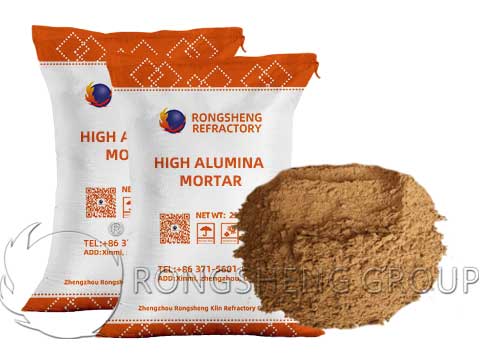
                                            When constructing kilns, a binder called refractory mortar or jointing material (mixed with water to form refractory mortar) is used. It is a major auxiliary material in kiln construction and serves as the joint filler for bonding refractory bricks, ensuring a strong initial bond and preventing detachment.

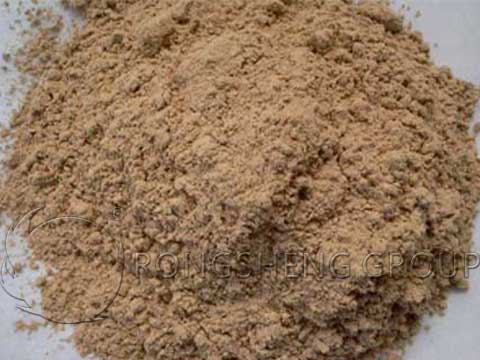
                                            Refractory mortar should be selected according to the material of the refractory bricks used and should not be mixed. Refractory mortar is classified according to its material into: clay-based, high-alumina, silica-based, magnesia-based, carbonaceous, corundum-based, and mullite-based pre-made binders. For example, high-alumina refractory mortar is used for high-alumina bricks, magnesia refractory mortar for magnesia bricks, and silica refractory mortar for silica bricks, etc.

                                            Refractory mortar is supplied in dry powder form. When using it, a liquid binder is added and mixed thoroughly to form a slurry of suitable viscosity. This type of slurry is collectively referred to as high-temperature refractory mortar, high-temperature refractory slurry, or high-temperature binder. Based on the bonding method of the liquid binder, it is classified into: water glass-bonded refractory mortar, phosphate-bonded refractory mortar, aluminum phosphate-bonded refractory mortar, etc.

                                            Refractory mortar is composed of refractory powder and additives. Almost all refractory raw materials can be made into powders used to formulate refractory mortar. Refractory mortar made by adding appropriate binders to refractory clinker powder is called ordinary refractory mortar; its strength at room temperature is relatively low, and it only achieves higher strength at high temperatures through the formation of a ceramic bond. Refractory mortar using air-hardening or heat-hardening binders is called chemically bonded refractory mortar; it hardens through a chemical reaction before reaching the temperature required to form a ceramic bond.

                                            The particle size of refractory mortar varies depending on the application requirements; its limiting particle size is generally less than 1 mm, and some are less than 0.5 mm or even finer. The material of the refractory mortar should be chosen to be consistent with that of the refractory products used in the masonry. Besides being used as a jointing material, refractory mortar can also be applied as a protective coating for the lining using a coating or spraying method.

                                            Main characteristics: Good plasticity, convenient construction, high bonding strength, and strong corrosion resistance. Based on chemical properties, it is classified into acidic refractory mortar, neutral refractory mortar, and alkaline refractory mortar. In addition, there are refractory mortars for special applications.

                                            Refractory cement, also called aluminate cement or high-alumina cement, is a hydraulic cementitious material made from bauxite and limestone through calcination. It is a clinker with calcium aluminate as the main component and an alumina content of approximately 50%, which is then ground.

                                            Aluminate cement is usually yellow or brown, but can also be gray. The main minerals are monocalcium aluminate (CaO·Al₂O₃, abbreviated CA) and other aluminates, as well as small amounts of dicalcium silicate (2CaO·SiO₂). It is used to bind various refractory aggregates (such as corundum, calcined high-alumina bauxite, etc.) to make refractory mortar or concrete, used as linings for industrial kilns.

                                            The biggest difference between refractory mortar and refractory cement is that one is used as a mortar for building refractory bricks (mixed with water or other liquids), while refractory cement is used as a binder for various refractory aggregates and is used as a material for refractory castables for kiln linings.

                                              Get Excellent Service

                                              Please Leave Your Inquiry for Rongsheng Refractory Castable & Cement! We Will Reply You In 12 Hours!

                                              Your Name (required)

                                              Your Email (required)

                                              Your Phone

                                              Your Requirements(required)

                                              Hydration Process of Adding Refractory Cement to Refractory Castable

                                              The setting of refractory castables is closely related to the hydration of refractory cement. When a certain proportion of refractory cement is added to a refractory castable, the hydration, setting, and hardening process begins with the raw materials and binder coming into contact with water. First, the refractory cement undergoes a hydration reaction on the surface of the particles. The first step in hydration is the formation of crystal nuclei. As the nuclei enlarge, they adhere to the hydration products. During the curing process, the hydration products grow and agglomerate into particles. Then, the refractory castable begins to set and harden further, eventually reaching the required strength.

                                              Refractory cement
                                              Refractory Cement to Refractory Castable

                                              Free Quote

                                                Leave Your Requirements

                                                Your Name (required)

                                                Your Email (required)

                                                Your Phone


                                                Your Requirements(required)

                                                The Hydration Process of Castable Refractory Cement

                                                The water reaction process differs among different grades of refractory cement, and hydration varies with temperature and time. After hydration for a certain period, the free water and crystal water that have not yet participated in the hydration reaction separate out with increasing temperature.

                                                When refractory cement is added to refractory castables, and then a certain proportion of water is added during construction, the refractory cement begins to dissolve. As the refractory cement forms crystal nuclei, cement hydrates precipitate out after nucleation. After a hydration dormancy period and heat release, the hydration of the refractory cement reaches its peak as the temperature rises. This is the setting time of refractory cement hydration. Different refractory cements have different setting times and hydration rates.

                                                During on-site casting of refractory castables, the hydration process has a significant impact on the setting and demolding of the refractory castable. After mixing with water, the refractory castable will initially set within 4 hours, and demolding typically occurs after 24 hours.

                                                The curing process after casting is also crucial. It solidifies only after hydration. However, free water can be drained, while the water of crystallization must be slowly baked at 600℃ to achieve sufficient strength.

                                                Castable Refractory Cement

                                                Castable refractory cement is a type of refractory cement used in the production of refractory castables. It can be used as a binder, additive, and other ingredients. Due to its stable performance and good application results, castable cement is an indispensable refractory raw material.

                                                Castable refractory cement is a type of cement with a refractoriness of not less than 1580℃, made from bauxite and lime as raw materials. The raw materials are mixed in a certain proportion to form appropriate amounts of raw meal, which is then sintered to obtain clinker with aluminate as the main component. This clinker is then ground into a fine powder to produce a hydraulic cementitious material with refractory properties. It is a type of refractory clinker that can be directly added to the production of castables. Depending on the raw materials and composition, it can be classified into aluminate refractory cement, low-calcium aluminate refractory cement, calcium-magnesium aluminate cement, and dolomite refractory cement, etc.

                                                Applications of Castable Refractory Cement
                                                Castable Refractory Cement

                                                Free Quote

                                                  Leave Your Requirements

                                                  Your Name (required)

                                                  Your Email (required)

                                                  Your Phone


                                                  Your Requirements(required)

                                                  Applications of Castable Refractory Cement

                                                  1. Refractory cement can be used to bind various refractory aggregates (such as corundum, calcined high-alumina bauxite, etc.) to produce refractory mortar or concrete for use as linings in cement rotary kilns and other industrial kilns.
                                                  2. It can be mixed with lightweight aggregates to produce insulating and heat-resistant concrete.
                                                  3. It can be mixed with asbestos to produce asbestos cement products with insulating and heat-resistant properties.

                                                  Technical Requirements for Refractory Cement

                                                  1. Fineness of Refractory Cement: The finer the cement particles, the larger the specific surface area, the faster and more complete the hydration reaction, and the higher the early and later strength. National regulations stipulate that the specific surface area should be greater than 300 square meters per kilogram; otherwise, it is considered unqualified.
                                                  2. Setting Time of Refractory Cement: To ensure sufficient time for mixing, transportation, molding, and other processes during construction, the initial setting time of the cement should not be too short. After construction, it is desirable for the cement to harden and develop strength as quickly as possible, so the final setting time should not be too long. The initial setting time of refractory cement shall not be earlier than 45 minutes, and the final setting time shall not be later than 390 minutes.
                                                  3. Volume stability of refractory cement: The uniformity of volume change of cement paste during the setting and hardening process is called the volume stability of cement. If the volume change is uneven, i.e., the volume stability is poor, warping and cracking are likely to occur, reducing project quality and even causing accidents.

                                                  Precautions for Using Refractory Cement

                                                  Refractory castable cement, when used, is mixed with an appropriate amount of water to form a paste. It hardens in air or, even better, in water, and effectively binds other aggregates and powders in the refractory castable together.

                                                  Refractory cement is characterized by rapid hardening, high bond strength, strong plasticity, and convenient construction. Unlike ordinary cement, refractory cement acts as a binder in castables at high temperatures, rapidly hardening and exhibiting excellent bonding performance, thus improving the high-temperature performance of refractory castables. While refractory cement has a wide range of applications, its use in the refractory materials industry is primarily as a binder in the production of refractory castables.

                                                  Construction of Castables of Different Grades

                                                  • Ordinary cement-bonded castables have a relatively high tolerance for construction errors, but their high-temperature performance and erosion resistance are limited.
                                                  • Low-cement/ultra-low-cement castables are highly sensitive to water addition and vibration. Excessive water or segregation significantly reduces their high-temperature strength and thermal shock resistance.
                                                  • Cement-free/sol-based castables rely heavily on strict construction and kiln drying procedures, making them more suitable for skilled teams and high-end projects.

                                                    Get Excellent Service

                                                    Please Leave Your Inquiry for Rongsheng Refractory Castable & Cement! We Will Reply You In 12 Hours!

                                                    Your Name (required)

                                                    Your Email (required)

                                                    Your Phone

                                                    Your Requirements(required)

                                                    Applications of Several Wear-Resistant Refractory Plastics

                                                    Rongsheng Refractory Materials Manufacturer specializes in the research, development, and production of shaped and unshaped refractories, providing comprehensive life-cycle services for thermal kiln linings, including refractory material configuration, furnace lining optimization, engineering construction, and technical services. Rongsheng also boasts an environmentally friendly, fully automated production line for unshaped refractories, professionally producing various types. Among unshaped refractories, abrasion resistant refractory, those with common refractory and wear-resistant properties include the following:

                                                    Ordinary Wear-Resistant Plastic

                                                    Ordinary wear-resistant plastic is a high-alumina, corundum-based granular product. Compared with traditional refractory plastics, it has excellent properties such as easy construction, high efficiency, good molding, and high strength. abrasion resistant refractory. This material is composed of adhesive, refractory aggregate, and hardening accelerator. Adding a certain proportion of PA adhesive forms a plastic refractory mortar, facilitating construction in various complex areas. It is an air-hardening material with low-temperature hardening properties, ensuring the wear resistance required for circulating fluidized bed boilers. However, its wear resistance is relatively poor.

                                                    • 1) Application Method: Use a forced mixer to stir the material, adding the accelerator evenly during stirring. After dry stirring for 1 minute, add 4-5% of the adhesive and stir for another 3 minutes. Once the material reaches a certain plasticity, it can be unloaded and used.
                                                    • 2) Applicable Areas: Suitable for high-temperature areas with low friction, such as the boiler bottom air chamber, primary air duct, return riser (material leg), return feeder, return pipe, tail flue furnace wall, slag cooler, and filling of various furnace doors in the tail flue. 3) Storage method. Generally, store in a cool, dark place. Shelf life is about 2 to 3 months.
                                                    Micro-Expansion Wear-Resistant Plastic Refractory
                                                    Wear-Resistant Plastic Refractory

                                                    Free Quote

                                                      Leave Your Requirements

                                                      Your Name (required)

                                                      Your Email (required)

                                                      Your Phone


                                                      Your Requirements(required)

                                                      Wear-Resistant Refractory Plastic

                                                      Abrasion-resistant refractory plastics are made from high-alumina bauxite clinker, corundum, mullite, and silicon carbide as aggregates. They possess excellent wear resistance, strong adhesion, and a high service temperature. Formulated with different binders and additives, they are refractory materials with high strength and wear resistance. They offer advantages such as easy construction, good plasticity, and excellent wear resistance. The applied wear-resistant layer has high strength and wear resistance, fully meeting the performance requirements of wear-resistant refractory materials for boilers.

                                                      • 1) Application Method: The materials and binder are mixed evenly with phosphoric acid before use. Construction is typically carried out using a ramming process.
                                                      • 2) Applicable Areas
                                                        • Suitable for construction in thin-thickness areas such as furnace water-cooled walls, mainly used in the dense phase zone of the furnace and in steam-cooled and water-cooled cyclone separators. In this area, the wear-resistant refractory material is designed as a single-layer rammed structure, fixed with wear-resistant pins, and its design thickness is relatively thin, directly applied to the construction surface.
                                                        • In the repair of circulating fluidized bed cyclone separators, its superior bonding properties allow for the repair of any irregular wear areas without the need for steel templates or molds. Ignition can be performed immediately after construction, requiring no special curing, thus shortening the construction cycle and saving costs.
                                                      • 3) Storage method. Avoid open-air storage and direct sunlight. Store in a cool, damp place in summer and protect from freezing in winter.

                                                      Corundum Wear-Resistant Refractory Plastic

                                                      This material belongs to the field of high-temperature wear-resistant refractory materials. The raw materials consist of high-alumina homogeneous material, alumina micropowder, silica micropowder, clay, phosphoric acid, aluminum dihydrogen phosphate solution, and pure calcium aluminate cement. Its key feature is the use of low-water-absorption, low-porosity, and highly uniform synthetic homogeneous materials to replace traditional high-water-absorption, high-porosity, and poorly uniform sintered bauxite clinker natural raw materials or corundum composite raw material systems, producing a homogeneous, high-strength, wear-resistant corundum plastic.

                                                      • 1) Application Method: This material is applied using a tamping process, suitable for thin-thickness applications such as furnace water-cooled walls. The resulting wear-resistant layer exhibits high strength and wear resistance. Unlike castables, this plastic does not require molds and can be applied directly using a smearing and tamping method. The refractory plastic material has good workability, high strength, and good wear resistance, resulting in optimal performance in the field. It helps extend the service life of furnace linings and improve the utilization efficiency of high-temperature kilns.
                                                      • 2) Applicable Areas. It is mainly used in the dense phase zone of the furnace and in steam-cooled/water-cooled/insulated cyclone separators. The wear-resistant refractory material in this area is designed as a single-layer rammed structure and fixed with wear-resistant pins. Its thickness varies, generally 40-60mm (steam-cooled/water-cooled) and 320-350mm (insulated), and it can be directly laid on the construction surface.
                                                      Corundum Silicon Carbide Wear Resistant Refractory Plastic
                                                      Corundum Silicon Carbide Wear-Resistant Refractory Plastic

                                                      Free Quote

                                                        Leave Your Requirements

                                                        Your Name (required)

                                                        Your Email (required)

                                                        Your Phone


                                                        Your Requirements(required)

                                                        Silicon Carbide Corundum Wear-Resistant Refractory Plastic

                                                        Silicon carbide corundum wear-resistant refractory plastic is a high-grade refractory material. It possesses excellent wear resistance, strong adhesion, and a high service temperature. It is also renowned for its simple construction process, short construction period, and the superior characteristic of not requiring furnace drying after construction. In practice, its service life is significantly longer than other wear-resistant refractory materials, and it is widely used in industries such as power, metallurgy, steel, and ceramics.

                                                        • 1) Application Method: This material is applied using a smearing and tamping method. Before application, rigid anchor pins should be fixed to the required locations, with a mesh spacing of approximately 120-150mm (maximum not exceeding 200mm). During application, the plastic is laid evenly on the required areas. The thickness of the smear can be determined according to the design requirements of different furnace types.
                                                        • 2) Applicable Areas: Silicon carbide wear-resistant refractory plastic can be widely used in cyclone separators, thermal radiation materials, and other applications where refractory materials are used. It possesses superior adhesive properties, allowing for easy application and application to any irregular, worn areas, significantly reducing wear. No steel templates or molds are required; it can be ignited immediately after application without special curing, thus shortening the construction cycle and saving costs.
                                                        • 3) Storage Method. Avoid open-air storage and direct sunlight. In summer, store in a cool, damp place; in winter, protect from freezing. The shelf life of the plastic is generally one year, and the accelerator should be replaced after 4-6 months of unused use (if used after one year of storage, the material must be re-cured).

                                                        High-Strength Wear-Resistant Refractory Plastics

                                                        Rongsheng’s high-strength wear-resistant refractory plastics belong to the high-strength wear-resistant series of refractory plastics. Their materials include high-alumina, corundum, silicon carbide, chromium, and zircon.

                                                        High-strength wear-resistant refractory plastics possess strong plasticity and wear resistance. They can be tamped into any shape using the tamping method, making them a quick-repairing material for kiln linings.

                                                        High-strength wear-resistant refractory plastics are refractory plastics composed of the above-mentioned materials as the main raw materials, with the addition of binders and additives (shrinkage inhibitors, preservatives, and antifreeze agents).

                                                        Commonly used castables include: corundum wear-resistant refractory castables, wear-resistant refractory plastics, non-stick alumina castables, low-cement refractory castables, adjustable-mouth castables, high-strength impermeable low-cement castables, lightweight refractory insulating castables, and steel fiber refractory castables.

                                                        Applications of High-Strength Wear-Resistant Plastics:

                                                        1. In the power generation industry: coal unloading trenches, coal hoppers, coal storage bins, dry coal grids, tippers, slag removers, water treatment, etc.
                                                        2. In the chemical industry: corrosion-resistant flooring, pump foundations, etc.
                                                        3. In the coal industry: wear-resistant linings for grinding bins, medium tanks, scraper conveyors, bucket elevators, chutes, underscreen hoppers, etc.; in the steel industry: blast furnace mixing bins, sintering bins, feeders, pelletizing machines, etc.

                                                          Get Excellent Service

                                                          Please Leave Your Inquiry for Rongsheng Refractory Castable & Cement! We Will Reply You In 12 Hours!

                                                          Your Name (required)

                                                          Your Email (required)

                                                          Your Phone

                                                          Your Requirements(required)