
Lightweight castables have lower refractoriness, compressive strength, and flexural strength than heavyweight castables, but they have lower thermal conductivity and better insulation. By selecting appropriate lightweight materials based on different temperatures and kiln linings, they can achieve insulation and energy savings.
Advantages of Lightweight Castables in Industrial Furnace Linings
Lightweight castables have lower thermal conductivity than heavyweight castables and significantly reduce the weight of the furnace lining. The rate of temperature diffusion during combustion in industrial kilns can be reduced by about 30% compared to heavyweight castables. Therefore, using lightweight insulating castables as an insulation layer can effectively reduce heat loss in industrial furnace linings.
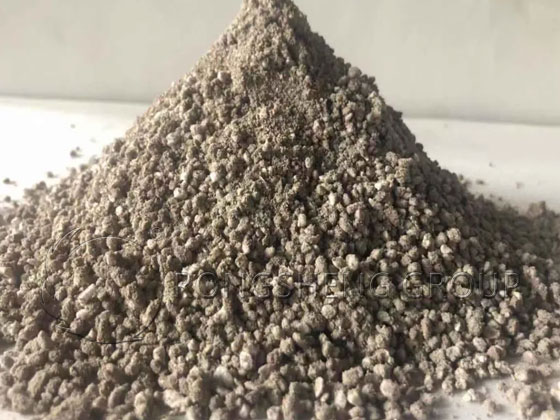
Lightweight castables are typically the first layer of material in close contact with the furnace shell in the kiln lining. However, high-grade lightweight castables, such as alumina hollow sphere castables and lightweight mullite refractory castables, can also be used directly as a working layer in the linings of some lightweight kilns. This reduces the furnace weight and saves energy costs while reducing heat loss.
The thickness of lightweight castable refractory as an insulation layer should be between 80mm and 150mm. A thickness less than 50mm results in poor construction quality, and a thinner layer also offers insufficient insulation. Lightweight materials are an excellent choice for lining pipes and chimneys. With a specific gravity of around 1.5, the castable refractory can serve as both an insulation layer and a working layer, thus solving the weight issue while still meeting the requirements for chimney and pipe linings.
Lightweight castable refractory has different operating temperatures: low temperature 600–900℃, medium temperature 900–1200℃, and high temperature 1200℃. High-temperature insulation layers require high-grade lightweight materials, such as lightweight mullite castable refractory and alumina hollow sphere castable refractory. However, commonly used types include vermiculite, perlite, and ceramsite, which have an operating temperature of around 1000℃ and cannot be used at higher temperatures. Lightweight mullite castables and corundum-mullite lightweight castables can be used at temperatures of 1350-1500℃. Lightweight kiln linings can be used directly in the working layer.
Insulation Material Selection for Aluminum Melting Furnaces: Alumina Silicate Wool or Lightweight Castable Refractories?
Many aluminum plants struggle with the same question when modifying or repairing their aluminum melting furnaces and insulation furnaces: should they use alumina silicate wool or lightweight castable insulation for the furnace body insulation layer?
Many mistakenly believe that both are insulation materials with similar effects and that either can be chosen.
In reality, their upper limits for high-temperature resistance, structural strength, sealing performance, and service life are completely different. Choosing the wrong insulation material can lead to anything from high furnace shell temperature and soaring gas consumption to insulation layer collapse, gas leakage, damage to the working surface lining, and frequent shutdowns for repairs.
Rongsheng Refractory Materials Manufacturer, specializing in aluminum melting furnace material selection, uses firsthand practical experience to explain the suitable scenarios, advantages, disadvantages, and selection standards for both insulation materials, helping everyone choose materials accurately, eliminate waste, and achieve long-term energy-saving and stable production.
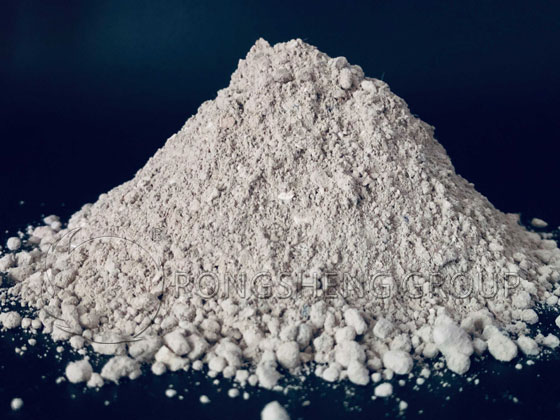
Key Differences Between Two Insulation Materials
Alumina Silicate Wool
Alumina silicate wool is a flexible fiber insulation material. It is lightweight, has extremely low thermal conductivity, and is characterized by its lightweight nature, excellent insulation performance, and quick installation. It lacks structural strength, relying solely on fiber stacking to lock in heat. It has no load-bearing capacity or erosion resistance, making it purely an auxiliary insulation material.
Core Advantages: Excellent insulation effect, lightweight, does not increase furnace load, high cost-effectiveness.
Significant Disadvantages: Loose structure, susceptible to airflow erosion, susceptible to high temperatures and overheating, prone to collapse and pulverization under long-term vibration.
Lightweight Insulation Castable
Lightweight insulation castable is a rigid, monolithic refractory insulation material, made from lightweight refractory aggregates, powders, and additives. It is cast with water, and after curing, forms a seamless, rigid insulation layer. It balances thermal insulation with a certain structural strength, making it the mainstream insulation material for high-temperature zones in industrial furnaces.
Core advantages: Strong integrity, good sealing, resistant to airflow erosion, non-collapse, higher temperature resistance, and long service life.
Significant disadvantages: Greater self-weight than fiber cotton, requires pouring and curing, and has a slightly longer construction period.
Targeted Insulation Materials for Aluminum Melting Furnaces
Aluminum Silicate Wool
Aluminum silicate wool is suitable for various scenarios (low-temperature backing, static insulation). Specifically designed for the low-temperature insulation layer behind the furnace body, i.e., the back of the refractory material on the working surface, close to the furnace shell:
Static insulation on the back of the furnace shell of aluminum melting furnaces and holding furnaces, where there is no direct contact with high-temperature flames or airflow.
Insulation for the outer layer of flues and filling gaps at the edges and corners of the furnace body.
For parts of equipment with limited load-bearing capacity that require lightweight insulation.
Contraindications: Absolutely cannot be used directly on high-temperature working surfaces, cannot be directly exposed to airflow within the furnace, and cannot be used in areas with frequent high-temperature vibrations, as it is extremely prone to pulverization and collapse, losing its insulation effect.
Lightweight Insulation Castable
Lightweight insulation castable is suitable for various scenarios (medium-high temperature, dynamic operating conditions). Suitable for high-temperature areas, dynamic operating conditions, and locations requiring airtight insulation in aluminum furnaces:
The upper insulation structure of the furnace top and walls, requiring complete airtightness to prevent gas leakage and heat loss.
Areas with airflow erosion and large temperature fluctuations, such as around the furnace opening and the flue lining.
Furnace bodies subject to frequent start-ups and shutdowns and vibrations, where fiber cotton is prone to detachment and collapse.
Insulation layers requiring a smooth base layer that can be subsequently sprayed and repaired.
Seamless and integral after molding, with strong sealing properties, completely solving the common problems of hollowness, sinking, and heat leakage in traditional fiber cotton insulation.
Optimal Insulation Solution for Aluminum Furnaces
Based on years of experience in aluminum furnace construction, the most durable, energy-efficient, and cost-effective layered structure:
Inner working surface: Non-stick aluminum castable/wear-resistant refractory castable (resistant to molten aluminum, slag, and erosion).
Middle insulation layer: Lightweight insulating castable (completely airtight, resistant to airflow, and resistant to high-temperature fluctuations).
Back insulation layer: Alumina silicate fiber cotton (lightweight, heat-locking, reduces furnace shell heat dissipation).
Graded materials each serve a specific function, ensuring furnace structural stability, preventing air leaks and layer collapse, while minimizing gas consumption and extending the overall lifespan of the furnace lining.
One-stop Solution for Complete Aluminum Furnace Insulation Refractory Materials
For various smelting furnaces and insulation furnaces used for recycled and primary aluminum, Rongsheng Refractory Materials offers a full range of materials, including lightweight insulation castables, alumina silicate insulation cotton, and non-stick aluminum castables for working surfaces. We reject one-size-fits-all materials; instead, we develop layered material selection plans based on the customer’s furnace type, temperature range, equipment structure, and production rhythm, combining the most suitable materials. We also provide full-process services including on-site construction and furnace drying guidance, solving problems such as aluminum furnace insulation failure, furnace shell overheating, high energy consumption, and insulation layer collapse requiring repair, helping companies achieve long-term stable production and energy savings.